Avoid fines by following RBKC fly tipping and rubbish rules
Posted on 18/08/2026
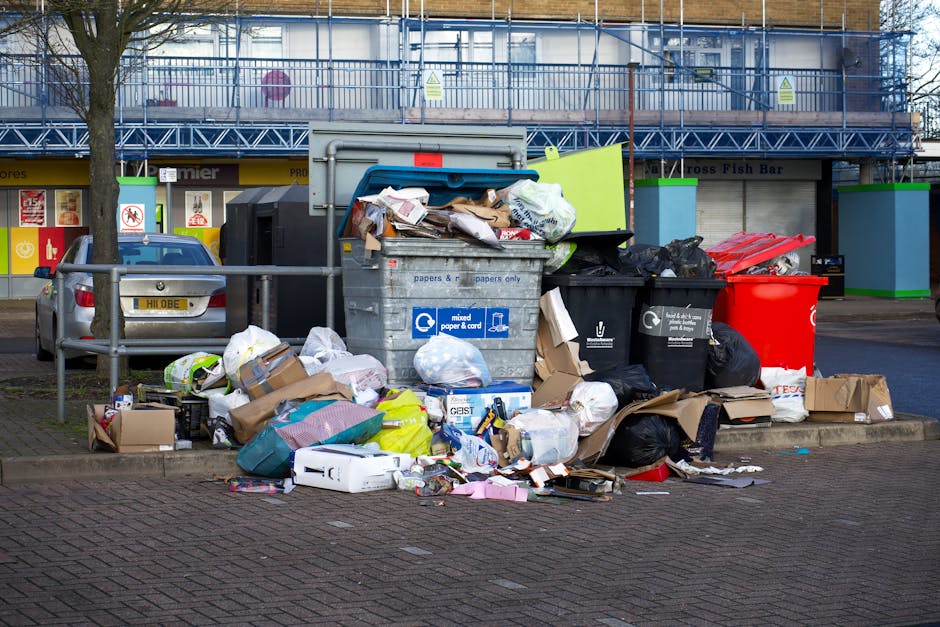
If you live, work, manage a property, or are clearing out a flat in Kensington and Chelsea, knowing how to avoid fines by following RBKC fly tipping and rubbish rules is not just sensible - it saves time, money, and a fair bit of stress. One missed bin day, one bag left beside a wall, or one bulky item dumped "just for now" can quickly become a costly mistake. And let's face it, rubbish problems always seem to happen on the busiest day of the week.
This guide breaks down the practical side of staying compliant in RBKC. You will learn what counts as fly tipping, how rubbish should be presented, what makes a collection lawful, and how to plan clearances without ending up with enforcement trouble. We will also cover common mistakes, useful checks, and the kind of real-world judgement that helps in shared houses, managed blocks, offices, gardens, and renovation jobs.
Why RBKC fly tipping and rubbish rules matter
Fly tipping is not just an ugly pile of waste on a street corner. In local terms, it can mean abandoned black bags, furniture left beside communal bins, builder's rubble dumped near a curb, or a mattress left where collection crews cannot legally or safely take it. In a busy borough like RBKC, those mistakes can trigger complaints very quickly.
The real reason this matters is simple: waste rules are designed to keep streets clean, protect neighbours, prevent pests, and make sure rubbish is handled by the right people. When rules are ignored, the problem is often pushed onto residents, landlords, managing agents, shop owners, or the council to clean up. That costs everyone.
There is also the reputational side. If a building or business repeatedly has rubbish left out incorrectly, it creates the impression that nobody is in charge. In practice, that can affect tenant relations, visitor experience, and even property value. For people reading about local living and property decisions, the wider picture matters too, which is one reason articles such as the pros and cons of living in Kensington and navigating property deals in Kensington often touch on maintenance and upkeep as part of the bigger ownership story.
Expert summary: The safest approach is to treat every item of waste as something that must be placed, stored, and removed deliberately. If you are unsure, pause and check rather than guessing. That small pause can save you a fine.
To be fair, most fines and complaints come from ordinary oversights, not deliberate dumping. Someone is moving house, a team finishes a job late, or a resident assumes "the bags will be fine by the gate for an hour." That is exactly the sort of moment where trouble begins.
How RBKC fly tipping and rubbish rules work in practice
At street level, the rules are about responsibility and timing. Waste should be stored safely, presented correctly, and handed to an authorised collector or placed in the correct collection system. If you are managing a property or scheduling a clearance, the key question is always: who is responsible for this waste right now?
In a typical residential setting, household rubbish should go in the right containers or be set out for scheduled collection in the proper way. Bulky items, builders' waste, and mixed junk are different. They usually need separate handling, more planning, and in some cases a specialist collection route. Leaving them beside the street "until someone takes them" is where people get into trouble.
For commercial premises, offices, shared buildings, and landlord-managed spaces, the duty to keep waste under control tends to be even more important because more people are involved. If bins are overflowing or waste is placed in public areas, it can look like neglect even when the intention was harmless.
If you need a broader view of service types and how they fit different situations, the services overview is useful, and so is the practical guidance in rubbish collection in South Kensington. Those pages help readers match the job to the right kind of disposal rather than forcing everything into one solution.
One important practical point: not every "collection" is the same. Council collections, private collections, skip hire, and ad hoc carrying services all work differently. The legal risk usually rises when waste is left accessible to the public or placed somewhere that looks like a dump site, even if you meant to remove it later that afternoon. A bit annoying, yes. But that is how these things often unfold.
Key benefits of staying compliant
The biggest benefit is obvious: avoiding penalties and enforcement issues. But the real advantages go wider than that.
- Cleaner shared spaces: Communal entrances, pavements, and courtyards stay tidy and usable.
- Fewer disputes: When rubbish is handled properly, there is less arguing over who caused the mess.
- Better collection outcomes: Crews can work faster when items are sorted and accessible.
- Lower risk of missed pickups: Properly presented waste is less likely to be left behind.
- Stronger property presentation: Important for landlords, agents, and anyone welcoming visitors.
- Less accidental contamination: Recycling and non-recycling waste are easier to separate when handled carefully.
There is also a calmness factor that people often overlook. Once the waste plan is sorted, the whole job feels lighter. No last-minute dash to move bags before sunrise, no awkward conversation with a neighbour, no "who put that there?" moment when you get home.
For residents and property owners who want disposal handled properly, looking at recycling and sustainability can help you build better habits while keeping disposal efficient. If the job involves a big clear-out, house clearance in South Kensington is often the more practical route than trying to move everything in stages.
Who this is for and when it makes sense
This guidance matters if you are a homeowner, tenant, landlord, managing agent, shop owner, office manager, tradesperson, or anyone arranging waste removal in RBKC. It is especially relevant when the job is bigger than a normal bin day.
Typical situations include:
- moving home and clearing unwanted furniture
- renovating a kitchen, bathroom, or office
- clearing lofts, garages, and storage rooms
- handling garden cuttings after a tidy-up
- managing a property between tenancies
- disposing of packaging after a delivery or fit-out
- dealing with leftover items after an event or party
Some of these jobs are straightforward, some are not. A couple of bin bags? Easy. A wardrobe, broken shelves, old paint tins, and builder's rubble mixed together? That needs more thought. In fact, mixing waste streams is one of the most common reasons a collection goes wrong.
There are also location-specific realities. Busy streets, tight mews access, basement flats, and communal entrances all make waste handling trickier. If that sounds familiar, it may help to read about blocked access for Kensington waste removal and delays and peak times for rubbish removal in SW7. Those local realities matter more than people think.
Step-by-step guidance
If you want to avoid problems, do not start with the bags. Start with the plan.
- Identify the waste type. Household waste, garden waste, furniture, builders' waste, office rubbish, electricals, and mixed junk all need different handling.
- Separate reusable, recyclable, and general waste. Sorting early reduces errors later and makes collections simpler.
- Check how much volume you have. A small clear-out can become a van-load very quickly once you start stacking it up.
- Decide where the waste will be stored before collection. Keep it out of public walkways, shared entrances, and any place where it looks abandoned.
- Choose the right removal method. A skip, a one-off collection, or a full clearance all suit different jobs.
- Confirm access details. Lifts, stair widths, parking, loading times, and entry codes can make or break the job.
- Set a removal time and stick to it. "Later today" is not a plan. Timed collection is a plan.
- Keep proof of proper disposal if needed. This is especially useful for landlords, agents, and businesses.
A practical example: if you are clearing out an office near South Kensington Station, you may be better off booking a coordinated service rather than trying to move desk waste, printers, and packaging piecemeal. The same logic applies to larger household jobs. A planned clearance is usually less stressful than a series of improvised trips. For office-heavy situations, see office clearance in South Kensington.
Another real-world note: if you are clearing items from a top floor flat or a basement with a narrow staircase, the job can take longer than expected. That is normal. It is not a failure; it is simply London being London.
Expert tips for better results
Here are the small habits that make a big difference.
- Keep waste inside until collection is confirmed. If possible, avoid placing bags on the pavement early.
- Use clearly marked piles. Separate general waste from wood, metal, green waste, and electricals.
- Break down bulky items safely. Flat-pack cardboard, remove loose parts, and tie anything sharp or awkward.
- Photograph the waste area before and after. Helpful for records, especially in shared properties.
- Ask about access before the team arrives. One blocked entrance can delay an otherwise simple job.
- Be realistic about timing. The end of the day can get busy. Early planning usually works better.
If you are arranging a house clearance, it can also help to think in "zones": keep furniture together, papers together, garden items together, and anything potentially hazardous separate. That sounds a bit obvious, but in practice it saves time and keeps everyone calmer.
For readers who want to understand cost control as well as compliance, avoiding hidden fees in rubbish removal quotes is a useful companion read. And if you want to compare service expectations, pricing and quotes can help you ask sharper questions before booking.

Common mistakes to avoid
Most problems are predictable, which is frustrating and oddly reassuring at the same time. If you know the traps, you can sidestep them.
- Leaving bags next to bins: This can look like fly tipping, even if you planned to remove them soon.
- Mixing waste types: Garden waste, builders' rubble, and general household rubbish should not be thrown together casually.
- Assuming someone else will move it: Shared houses and flats often suffer from "it wasn't mine" waste drift.
- Booking too late: Urgent clearances are possible, but timing gets tighter and mistakes become more likely.
- Ignoring access issues: If a van cannot stop safely, the job slows down or changes shape entirely.
- Forgetting about sharp or heavy items: Broken furniture, glass, and metal edges need proper handling.
- Using the wrong skip or collection setup: A mismatch between waste type and disposal method often creates problems.
One small but common mistake is overestimating how much "space" a pile of rubbish really takes. A corner that looks manageable on Friday morning can become a wall of stuff by lunch. I've seen that happen more than once, and it never looks as neat as it did in the head.
If your job involves bulky pieces, a specialist page like furniture disposal in South Kensington can be more appropriate than general rubbish collection. For straightforward mixed waste, junk removal in South Kensington may be the better fit.
Tools, resources and recommendations
You do not need fancy equipment to stay compliant, but a few simple tools make everything easier.
- Heavy-duty sacks or bins for containment
- Labels or notes for separating waste piles
- Gloves and protective footwear when moving sharp or heavy items
- Measuring tape for bulky furniture and access checks
- Phone camera for documenting before-and-after conditions
- A simple collection checklist to avoid forgetting small items in corners or cupboards
For service planning, it helps to compare the job against your actual needs rather than guessing. A garden tidy-up is very different from a garage clearance, and a loft job is different again. If you are unsure, the right starting points may be garden waste removal in South Kensington, garage clearance, or loft clearance.
And if you want a broader overview before committing, waste removal in South Kensington is a good general reference point. For a more structured view of the company and what to expect, you can also browse the about us page and the insurance and safety information.
Law, compliance, standards, or best practice
In the UK, waste disposal is governed by a mix of legal duties, local collection arrangements, and accepted best practice. You do not need to memorise the legal framework to stay safe, but you do need to understand the principle: waste must be passed to the right person or system, and it must not be abandoned in a public place.
For most readers, the practical compliance checklist looks like this:
- Do not leave rubbish where it obstructs pavements, entrances, or shared access routes.
- Do not assume an item is fine to leave outside because it is "only temporary".
- Use a reputable, authorised waste handler when a private collection is needed.
- Keep records or confirmations where the job is commercial, managed, or landlord-related.
- Separate special items, bulky items, and general waste before booking.
Best practice is often about anticipation rather than reaction. For instance, if you know a renovation will produce builders' waste, plan the clearance before the work starts, not after the rubble has already piled up. The same goes for office moves and end-of-tenancy clearances. If access is awkward, check it early. If timing is tight, say so early. Simple, really. Not always easy, but simple.
For jobs involving construction debris, the dedicated builders' waste clearance page is the most relevant route. If your household or tenancy situation is more general, rubbish clearance in South Kensington can be a better match.
Options and comparison table
Choosing the right disposal method is often what keeps people on the right side of the rules. The method should fit the waste, the space, and the timing. Here is a simple comparison.
| Option | Best for | Main advantage | Watch out for |
|---|---|---|---|
| Scheduled household collection | Normal domestic waste | Simple and routine | Must be presented correctly and on time |
| Private rubbish collection | Mixed waste, bulky items, ad hoc clear-outs | Flexible and fast | Needs accurate access and waste details |
| Skip hire | Renovations, larger clearances, repetitive waste | Good for ongoing disposal | Placement, loading, and permit-related considerations |
| Full house or office clearance | Big jobs, moves, vacant properties | Most efficient for larger volumes | Needs careful sorting and access planning |
For many readers, the decision comes down to one question: do you need a quick removal or a managed clean-out? If it is a one-off sofa and a few bags, a smaller collection may do the job. If you are clearing multiple rooms, you will probably want something more structured. That's where skip hire in South Kensington or a more complete clearance service may be more practical.
There is no prize for using the most complicated method. The best option is the one that removes waste legally, cleanly, and without creating a headache for everyone else.
Case study or real-world example
Picture a small South Kensington flat after a tenancy ends. The outgoing tenant has a broken bedside table, a mattress, several bin bags, cardboard from a new wardrobe, and a couple of garden trimmings from the shared courtyard. None of it is outrageous on its own. Together, it becomes the kind of mixed waste that can cause a dispute if nobody plans ahead.
What usually goes wrong in this scenario? The bags are left in the entrance because the lift is busy. The mattress gets stood by the wall "just until tomorrow". The cardboard gets folded but not tied. Then a neighbour complains, and the pile suddenly looks much worse than it did the night before.
What would a better approach look like?
- sort waste into clear categories before collection day
- book a specific disposal method for the mattress and furniture
- keep items inside until the collector is scheduled to arrive
- check access, lift availability, and parking in advance
- document the clearance once complete
That simple change turns a risky, messy situation into a tidy handover. If the property is near busy landmarks or tight streets, local planning matters even more. Pages such as rubbish removal on Exhibition Road SW7, rubbish collection near South Kensington Station SW7, and waste clearance for Onslow Square homes show how location and timing can influence the right approach.
That is the real lesson here: the waste itself is rarely the biggest problem. The planning around it is.
Practical checklist
Use this before you put anything outside, book a collection, or hand over a clearance job.
- Have I identified every waste type correctly?
- Have I separated recyclable, reusable, and general waste?
- Is anything hazardous, sharp, heavy, or awkward?
- Will the waste be left in a legal, safe, and non-obstructive place?
- Do I know who is responsible for the waste?
- Have I checked access, loading space, and timing?
- Have I chosen the right collection method for the volume?
- Do I need records, photos, or confirmation of disposal?
- Have I told other occupants or neighbours if relevant?
- Would it be better to book a proper clearance rather than improvising?
If you can tick most of those off, you are already ahead of the game. A lot ahead, truth be told.
Get a free quote today and see how much you can save.
Conclusion
To avoid fines by following RBKC fly tipping and rubbish rules, think in terms of responsibility, timing, and presentation. Keep waste contained, separate the right materials, and choose a removal method that fits the actual job rather than the easiest guess. That alone prevents most headaches.
It also makes the whole process feel more controlled. No frantic last-minute stacking, no awkward surprises for neighbours, no unnecessary risk. Just a cleaner property and a calmer day, which is what most people want anyway.
If you are planning a clearance in South Kensington and want a sensible next step, start with the service that matches your waste type, check access early, and keep the collection process properly documented. Small details, big difference. That is usually how good waste management works.
And if you are in the middle of it all right now, take a breath. It gets easier once the plan is clear.



 Tipper Van - Rubbish Removal and Rubbish Disposal Prices in South Kensington, SW7
 Luton Van - Rubbish Removal and Rubbish Disposal Prices in South Kensington, SW7